


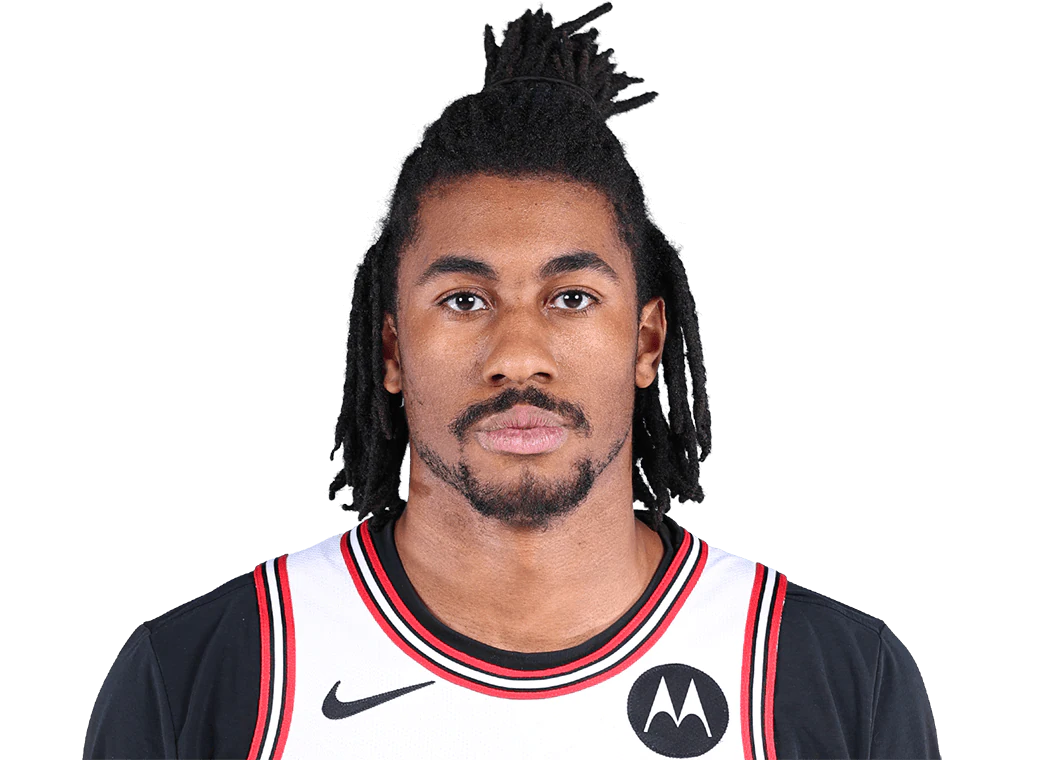
In March, the Chicago Bulls waived guard Jaden Ivey, citing “conduct detrimental to the team” — hours after a video circulated of Ivey publicly calling the NBA’s Pride Month celebrations “unrighteous.”
The move is clean, fast, and sends a message the league has been reluctant to send this explicitly: anti-LGBTQ speech from players has consequences.
In the clip, Ivey didn’t hedge. “They proclaim Pride Month and the NBA. They proclaim it. They show it to the world. They say, ‘Come join us for Pride Month to celebrate unrighteousness.'” He went further: “So, how is it that one can’t speak righteousness? Who are they to say that this man is crazy?”
It wasn’t coded.
It wasn’t a misquote.
It was a 24-year-old NBA player, on camera, calling the league’s most visible LGBTQ initiative morally wrong — and framing his own removal as religious persecution before it even happened.
Ivey was, by most measures, already on the way out. The fifth overall pick in the 2022 Draft had appeared in just four games for Chicago after being traded from Detroit via Minnesota. His role had been shrinking for over a year. The Bulls weren’t cutting a cornerstone — they were cutting a player already on the margins.
That context matters, but it doesn’t change the precedent. The team chose to make conduct — not performance — the official reason. That’s a choice.
The NBA has invested real infrastructure in LGBTQ inclusion: Pride Night activations league-wide, the You Can Play partnership, visible branding across arenas. That’s not just social signaling — it’s sponsorship alignment, ticket sales, and market positioning. When a player calls that infrastructure “unrighteous” on a public platform, the league’s corporate partners notice.
The Bulls acted.
The NBA itself has been quiet, at least publicly.
That silence is now the thing worth watching.
The league has historically positioned itself as one of the more progressive major American sports organizations on LGBTQ issues — more vocal than the NFL, further along than MLB. But progressive positioning without enforcement is just branding. The question is whether the NBA issues any statement, imposes any fine, or treats this as a one-team matter and moves on.
If it’s the latter, the message to queer players, staff, and fans is clear: individual teams may act, but the league itself won’t put its name on the line.
Ivey’s recent videos have touched on religion, personal beliefs, and — separately — criticism of Catholicism as a “false religion.” He’s spoken publicly about struggling with depression. None of that context excuses calling LGBTQ visibility “unrighteous,” but it does complicate the easy villain narrative.
What’s notable is how quickly this moved from post to waiver. The Bulls didn’t wait for a news cycle. That’s either a team that had already decided to move on from Ivey and found its justification — or a franchise that genuinely drew a line and enforced it in real time. Both readings matter.
This isn’t an isolated incident. Across American professional sports, the tension between player religious expression and league LGBTQ commitments has been building for years — from NBA players opting out of Pride Night warm-up shirts to locker room friction that rarely makes it to public record.
What’s different here is the consequence. Ivey didn’t stay silent during a Pride Night. He went on camera and called the league’s values unrighteous. And within hours, he didn’t have a team.
For queer people working in and around professional sports — athletes, team staff, executives, the fans who fill those arenas on Pride Night — that matters. Not because one roster move fixes anything structural, but because accountability that actually lands is rarer than it should be.
The Bulls called it conduct detrimental to the team. That framing is precise, legally useful, and deliberately vague. But everyone knows what the conduct was.
Call it what it is: a player called LGBTQ visibility immoral, and a franchise decided that was a firing offense. The NBA should decide if it agrees.

