


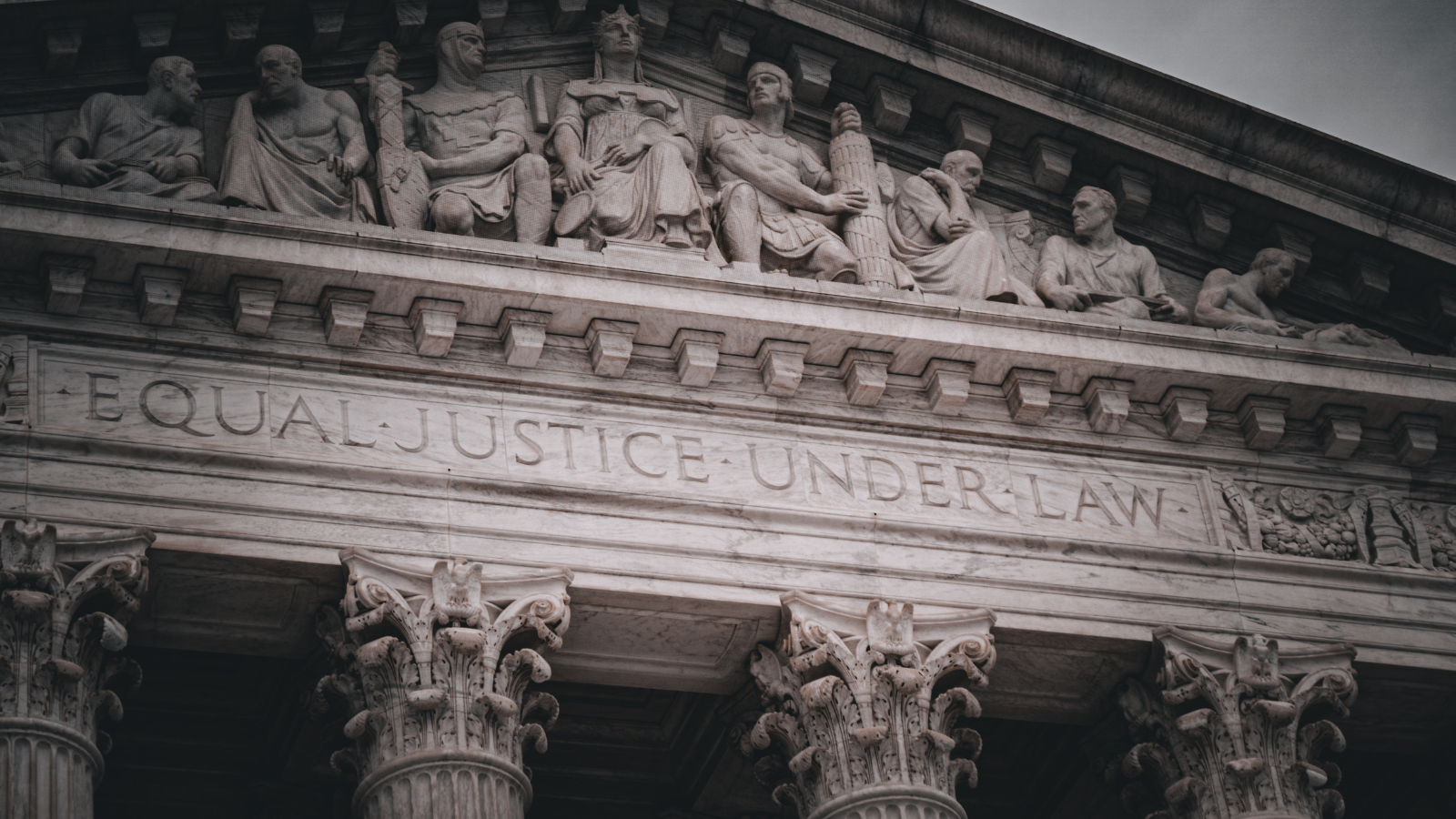
The Supreme Court appears poised to uphold state-level bans on transgender athletes, a move that could reverberate far beyond school sports and into the broader architecture of civil rights law in the United States.
According to analysis published by SCOTUSblog, questioning from several justices during recent oral arguments signaled deep skepticism toward legal challenges brought by transgender students and their families. The cases at issue center on state laws in Idaho and West Virginia that bar transgender girls from participating in girls’ school sports, with challengers arguing the bans violate Title IX and the Equal Protection Clause of the Constitution.
Legal experts quoted by SCOTUSblog note that the Court’s tone suggests a willingness to defer to states on questions of sex-segregated athletics, even when those policies disproportionately impact transgender youth. Advocates warn that such a ruling would mark a significant departure from recent federal interpretations that treat discrimination against transgender people as a form of sex discrimination.
Beyond athletics, civil rights groups fear the implications could extend to education access, healthcare protections, and public accommodations. As PinkNews reported in related coverage, many advocates view these cases as part of a coordinated national strategy to narrow federal protections for transgender people through incremental legal wins.
If upheld, the bans would not only reshape youth sports policy nationwide but also establish legal precedent that could be invoked in future challenges to transgender inclusion across public life.

