


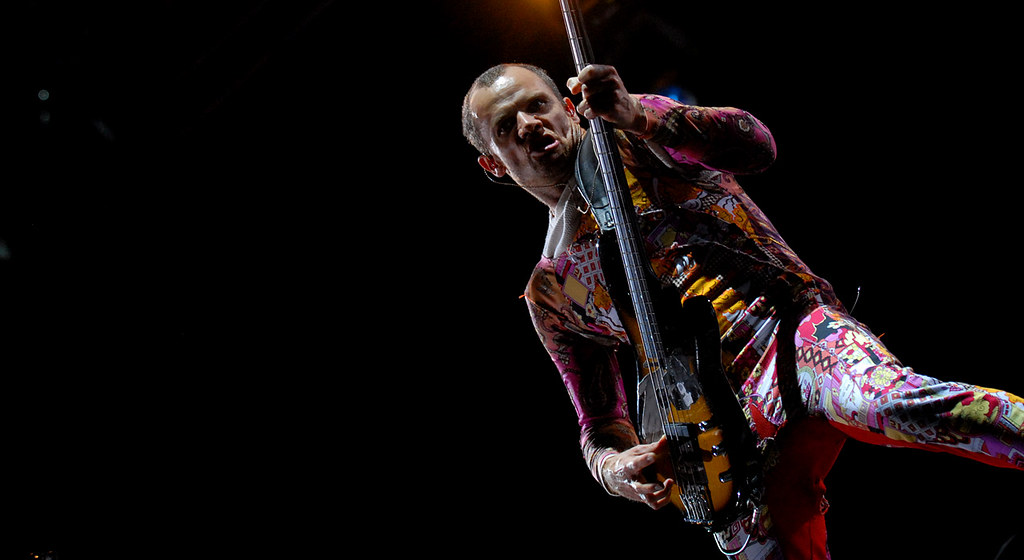
Netflix’s latest documentary acquisition raises questions about how — or whether—it will address the Red Hot Chili Peppers’ fraught history with queer audiences and artists.
“The Rise of the Red Hot Chili Peppers,” directed by Ben Feldman and set to premiere March 20, focuses on the band’s formative years and the influence of original guitarist Hillel Slovak, who died in 1988. The film features interviews with Flea and Anthony Kiedis and promises “a rare, intimate glimpse” into the band’s early evolution.
What Netflix’s announcement doesn’t mention: the band’s history of homophobic lyrics and frontman Kiedis’s well-documented hostility toward LGBTQ+ people in the band’s early years. Songs from their 1980s catalog contain slurs and derogatory language about gay men—content that emerged from the same “gritty, formative years” the documentary aims to celebrate.
The film was secretly screened at Cannes last year before landing at Netflix, suggesting the streamer sees it as prestige fare worth protecting. Feldman frames the project as “a deeply relatable story—about the friendships that shape our identities and the lasting power of the bonds forged in adolescence.”
Whether those bonds included accountability for harm caused to LGBTQ+ people in the rock scene of that era remains unclear. Netflix has positioned itself as a platform friendly to queer content while simultaneously platforming projects that sanitize complicated histories. A documentary about the Chili Peppers’ early years that omits their homophobia isn’t an intimate glimpse—it’s a selective one.
The band has sold over 120 million records worldwide. Their legacy is secure. The question is whether Netflix believes that legacy requires honest reckoning, or just reverent mythology.

