


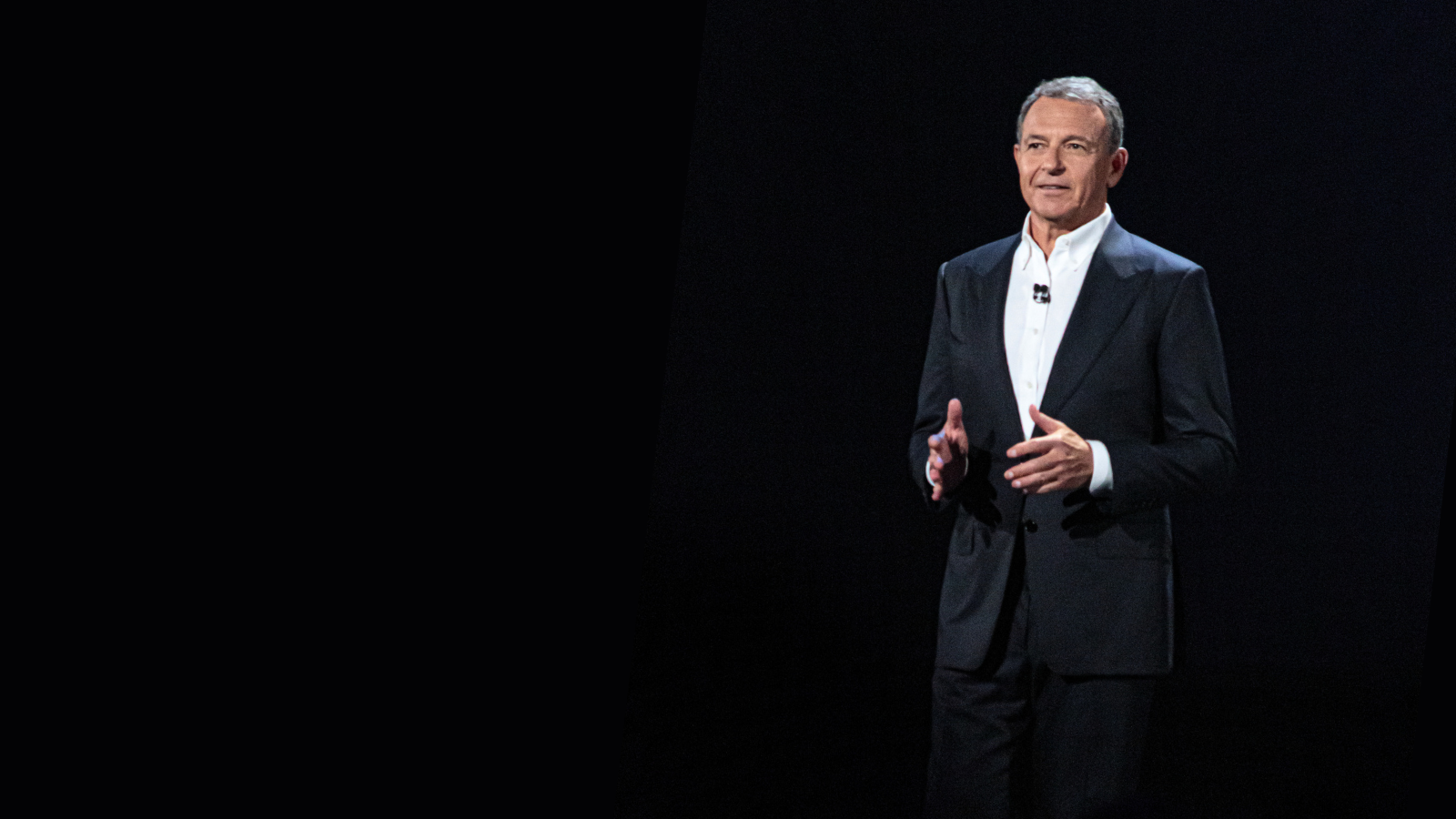
Bob Iger is telling people he’s done running Disney, and Disney’s Board of Directors is expected to vote on his successor next week. The question that should matter to anyone tracking queer content at the largest entertainment company in the world: which leading candidate will actually protect it?
The Wall Street Journal reported that Iger plans to “pull back from daily management” before his contract expires December 31, and that he’s frustrated by conflicts, including ABC’s weeklong suspension of Jimmy Kimmel in September.
Two executives in particular are widely understood to be central to Disney’s future: Dana Walden, who oversees Disney’s film, television, and streaming business, and Josh D’Amaro, whose influence stretches across parks, consumer products, and the brand experiences that live far beyond the screen. Between them, they touch nearly every way audiences encounter the Disney brand in daily lives.
This matters because Disney doesn’t just make content. It sets tone and drives culture.
For generations, Disney’s stories have helped shape our ideas about family, belonging, love, and identity — often before audiences have the language to articulate those ideas themselves. Some may argue that this kind of impact is a cornerstone of Disney’s power and cultural currency.
When queer characters in particular appear in Disney worlds, they can carry a different weight. It reaches youth, parents, classrooms, and communities who may never otherwise encounter LGBTQ stories. And when those stories are pulled back, softened, or sidelined, people notice.
Queer audiences, specifically, are fluent in these Disney patterns. Progress in visibility has come a long way over the years, but rarely without friction. Fans have learned to watch what gets defended, what gets quietly trimmed, and which stories are allowed to exist without apology when outside pressure shows up.
Still, this moment doesn’t feel like a retreat. It feels like a checkpoint.
Disney’s fanbase — and the many Disney Adults and Disney Gays — is deeply loyal, deeply engaged, and increasingly comfortable using its voice. These audiences don’t just consume Disney; they grow up with it, pass it down, and protect it. That loyalty cuts both ways. Fans and stakeholders alike celebrate when Disney moves forward on representation, and they push back when inclusion starts to feel conditional.
And because Disney is Disney, the Company’s choices ripple outward in big ways.
What Disney normalizes, other brands often follow too. What Disney hesitates on, others reconsider. This is why representation at Disney isn’t just about one movie or one character; it’s about cultural permission.
This is the reality Dana and Josh know they are stepping into — whether they are tasked with the top job or not. Not just leading divisions, but inheriting a relationship with audiences who expect Disney to stand behind the stories it tells, clearly and consistently.
Representation today isn’t a side note. It’s part of how trust is built and maintained.
There’s a real opportunity in this next chapter for Disney. New corporate leadership in today’s world must bring steadiness, confidence, and clarity to how Disney shows up in a changing world. But the expectations are set. Fans are paying attention — and they will absolutely hold the company accountable if the stories that once moved culture forward start to move backward instead.

