


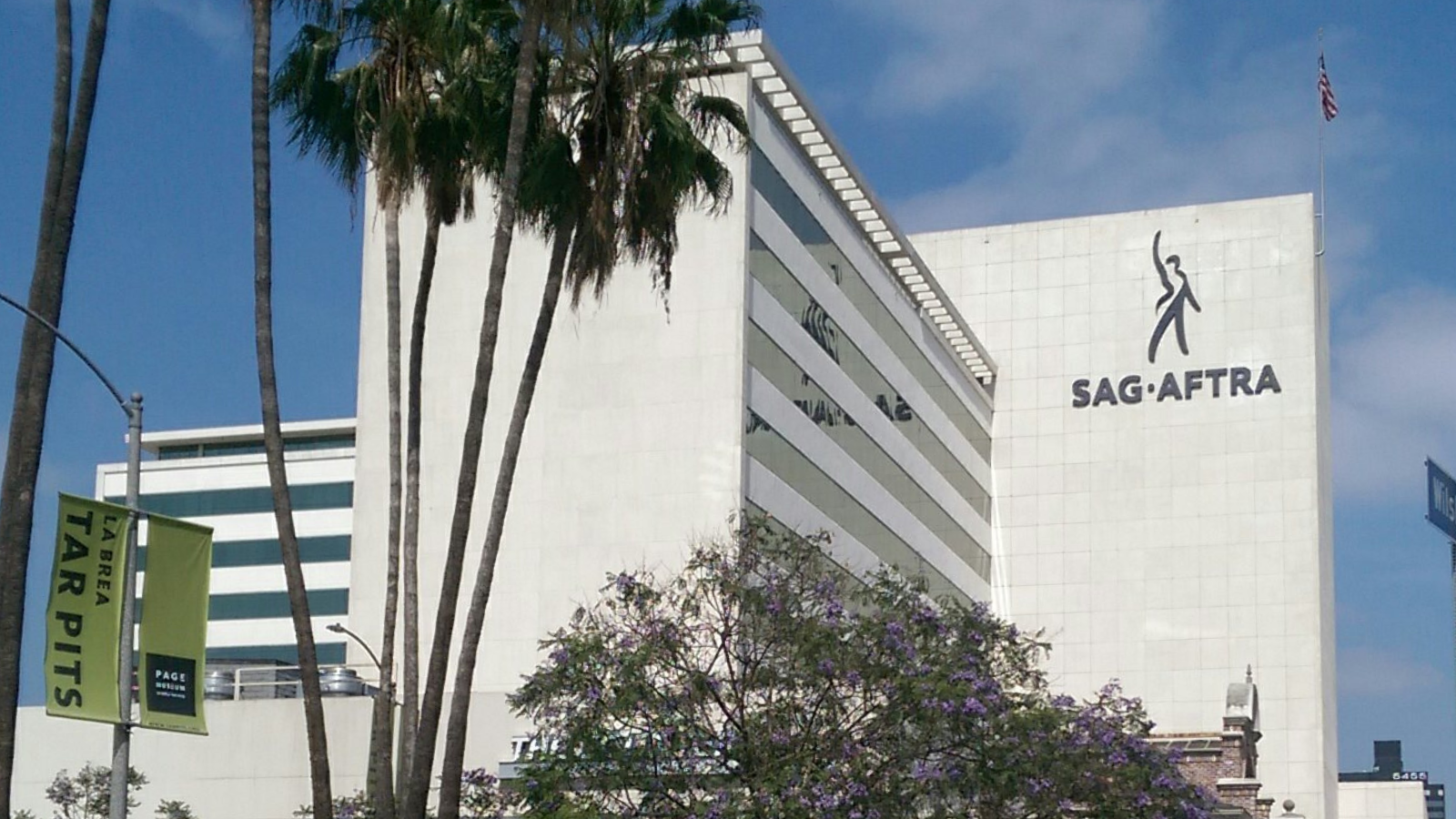
SAG-AFTRA is floating what insiders are calling the “Tilly tax”—a proposed royalty studios would pay into union funds whenever they use synthetic performers instead of human actors. It’s an admission that labor cannot prevent AI replacement, only extract compensation for it.
“Is that a perfect solution? No,” Brendan Bradley, a member of the union’s AI task force, told Variety. “But it’s under the category of the best bad idea we’ve got in 2026.”
The proposal emerges as SAG-AFTRA prepares to meet with the Alliance of Motion Picture and Television Producers on February 9, months before the June 30 contract expiration. The union already won similar royalties in deals with record labels and commercial producers—when an actor is replaced by AI in union commercials, equivalent pay flows to pension and health funds.
But applying that model to film and television represents a fundamental shift in negotiating posture: from preventing digital replacement to monetizing it.
Erik Passoja, former co-chair of the union’s L.A. New Technology Committee, sees the tax as a last resort. “I say no, no and triple no,” he told Variety. “But if it has to be, it should go into pension and health.”
AI isn’t the only unfinished business. Streaming residuals remain deeply contentious. During the 2023 strike, SAG-AFTRA demanded 1% of streamers’ total revenues—roughly $500 million annually. They settled for a “success bonus” projected at $40 million yearly, which has consistently underperformed.
“I think we’ve lost our way when we’re negotiating bonuses instead of residuals,” actor Jeffrey Reeves said. “We’ve given up the pay-per-play or pay-per-audience model.”
The dynamic may be slightly different this round. AMPTP has a new lead negotiator in Greg Hessinger, a former SAG leader who early signals suggest could be more flexible than predecessor Carol Lombardini—whose favorite word, according to union officials, was “No.”
For queer performers and other marginalized actors who already face narrower casting pipelines, the AI question carries particular weight. Synthetic performers don’t need representation protections. They don’t advocate for authentic storytelling. And studios building digital actors from aggregated performances have no obligation to credit—or compensate—the human faces absorbed into the amalgam.
The Tilly tax may be labor’s best bad idea. But its very existence signals something more troubling: the industry has decided AI replacement is inevitable. The only question now is what it costs.

